Ontario’s new Bill 97, the Plan to Protect Ontario Act (Budget Measures), 2026, serves as the primary legislation driving the forced consolidation of Ontario’s conservation authorities. The legislation mandates the merger of the province’s 36 existing conservation authorities into just nine regional conservation authorities.
At a recent meeting of the Ashfield Colborne Lakefront Association (ACLA), Phil Beard, General Manager and Secretary/Treasurer of the Maitland Valley Conservation Authority (MVCA), provided an update on the initiative and its implications for our region. See the presentation.
Key Points:
The MVCA is being merged with five other conservation authorities to create the new Huron-Superior Region Conservation Authority. The new authority will stretch from Grand Bend to Orillia and include the Lake Simcoe watershed.
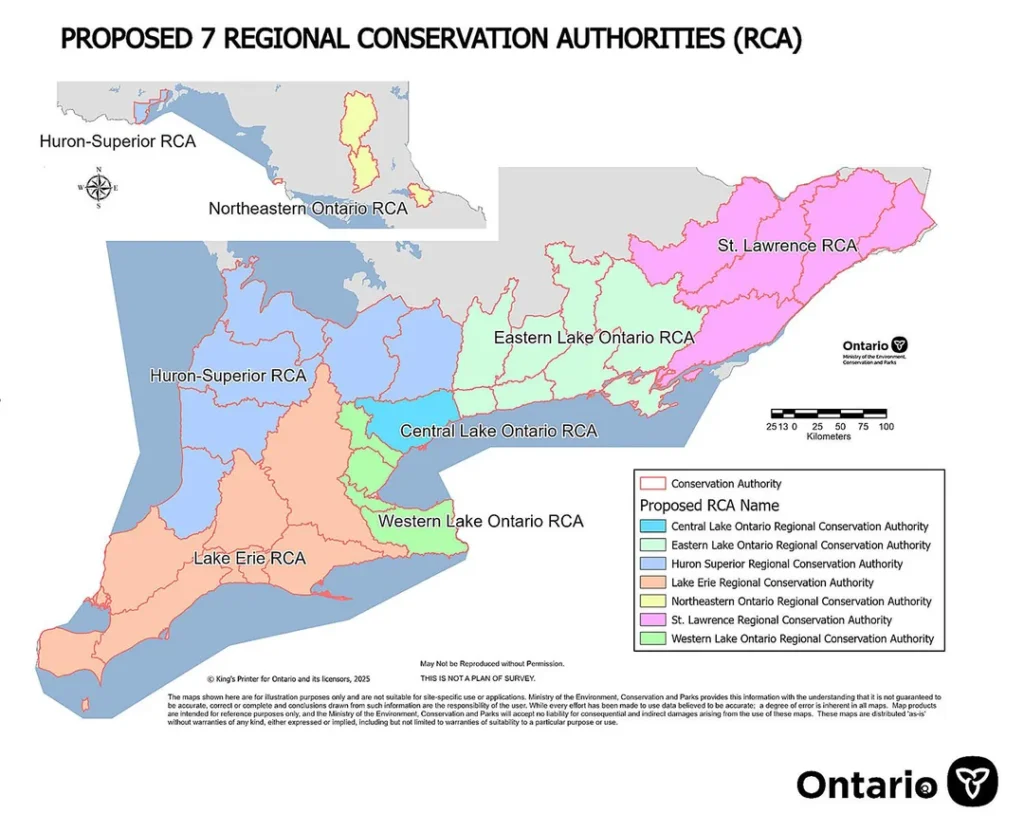
The original conservation authority boundaries were created around watershed systems because each watershed has its own unique topography, environmental conditions, and challenges. Local knowledge, long-term experience, and historical understanding all play an important role in making informed decisions about water management and environmental protection.
By amalgamating these distinct watershed regions into one large authority, decisions affecting our local watershed may increasingly be made by people with little direct knowledge of the area or its environmental history. Several aspects of the new structure reinforce this arm’s-length decision-making process.
Voting power within the new authority will be based on municipal population. The Lake Simcoe region alone has a population of approximately 600,000 residents, giving it significantly greater influence over decisions that could directly affect our watershed and shoreline communities.
The province is also creating a new Ontario Provincial Conservation Agency to oversee both the amalgamation process and the practices of the new regional conservation authorities. Notably, the agency’s five-member board does not include individuals with backgrounds in conservation or water quality management. One member is the Deputy Minister of “Red Tape Reduction.”
While improving infrastructure and streamlining approvals may be important goals, knowledge of local waterways and watersheds is equally critical. Effective watershed management helps reduce flooding risks, manage extreme rainfall events, and protect clean drinking water sources.
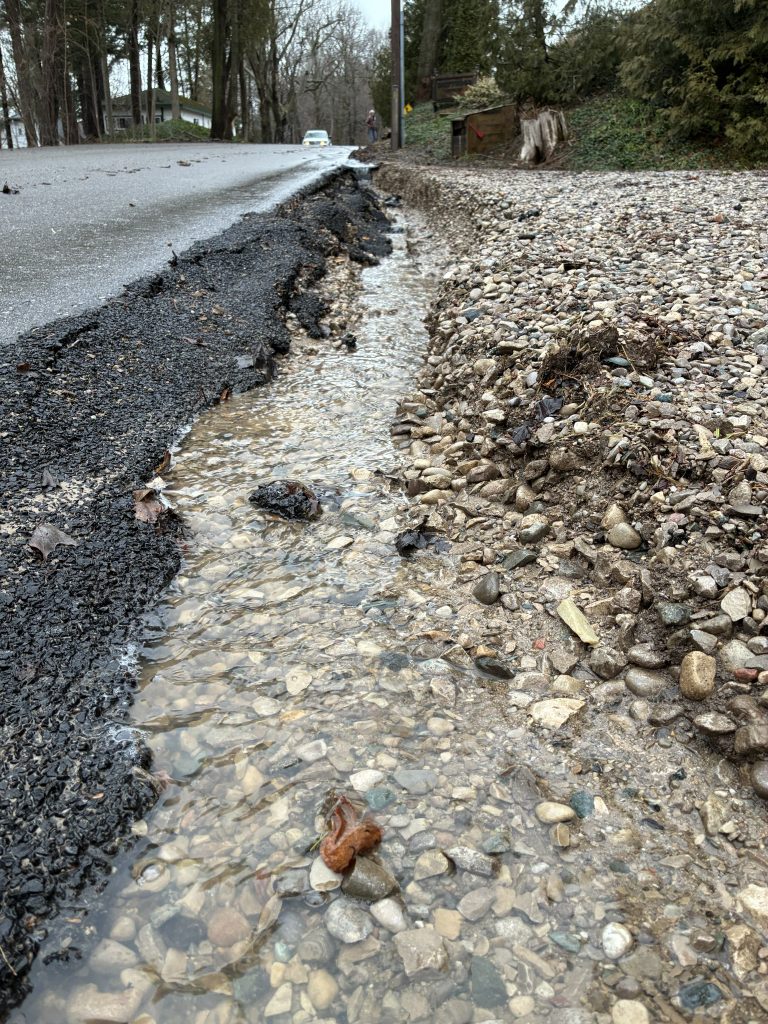
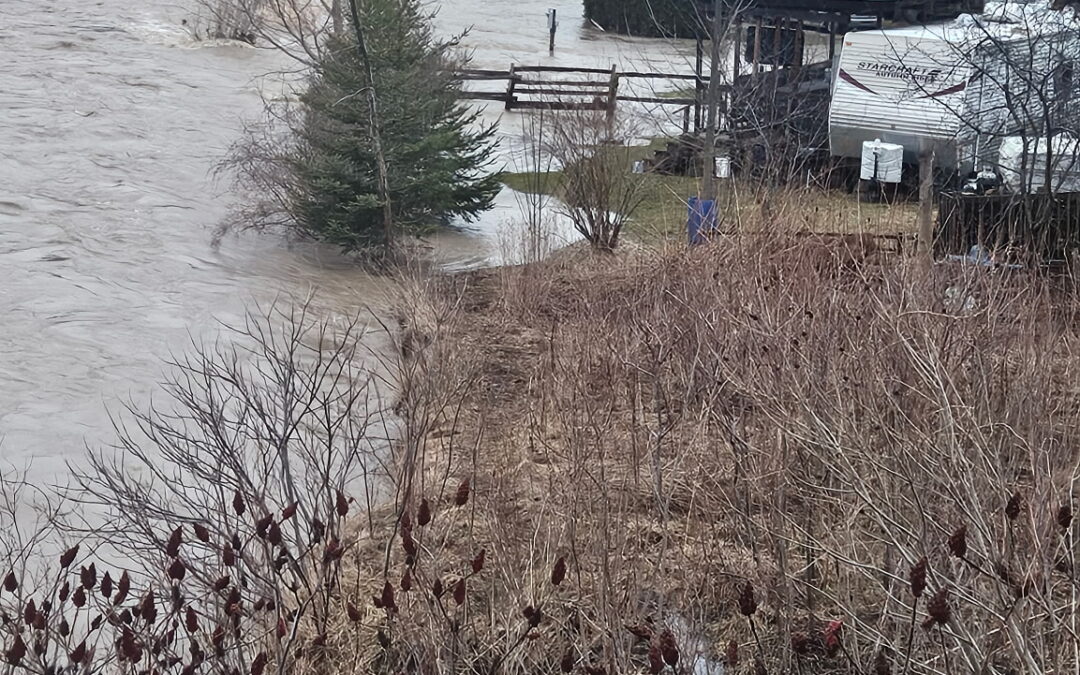
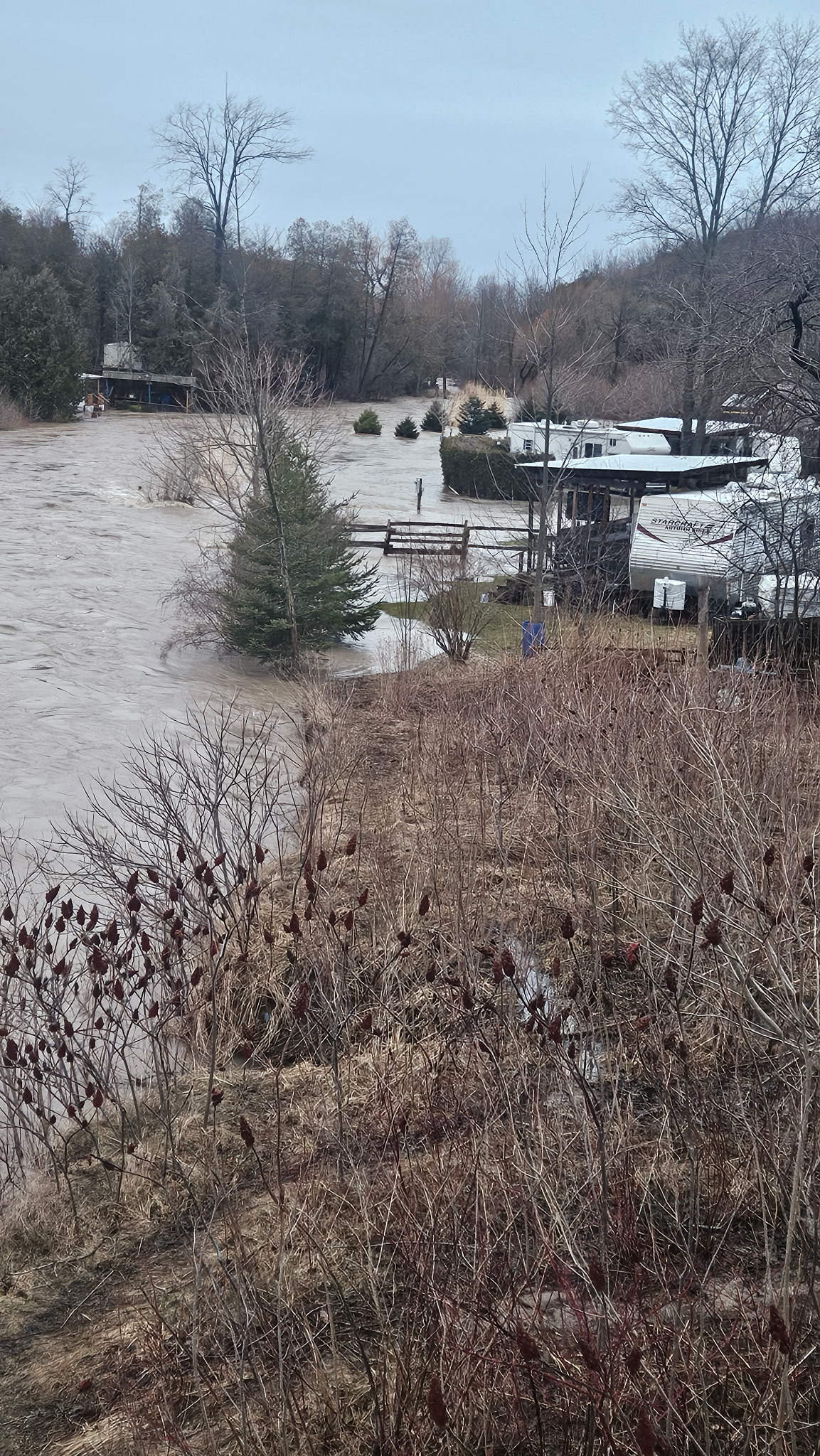
Removing local voices and reducing resident involvement in environmental decision-making may make it more difficult to respond effectively to challenges such as the flooding experienced in our communities this spring.
The MVCA has indicated that it intends to actively participate in shaping the design, governance, and decision-making processes of the new amalgamated conservation authorities. As part of that effort, the MVCA is also seeking feedback and input from residents and communities within Ashfield-Colborne-Wawanosh Township (ACW) to help ensure local watershed concerns and priorities continue to be represented.
The MVCA will continue advocating to both the provincial government and the Board of the Ontario Provincial Conservation Agency in support of proven strategies that protect and maintain healthy watersheds.